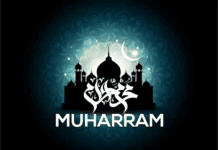











The Islamic New Year, also known as Hijri New Year, marks the beginning of a new year in the Islamic lunar calendar.
It starts on the first day of Muharram, one of the four sacred months in Islam.
Unlike many new year celebrations around the world that focus on festivities and entertainment, the Islamic New Year carries a deeper message of reflection, renewal, and spiritual growth.
The Islamic calendar begins with one of the most important events in Islamic history — the Hijrah, the migration of Prophet Muhammad (peace be upon him) and his companions from Makkah to Madinah in 622 CE.
The Hijrah took place after years of persecution faced by early Muslims in Makkah.
Followers of Islam experienced social pressure, economic boycott, and physical abuse because of their beliefs.
As the situation became increasingly difficult, permission was given by Allah for the Muslims to migrate.
Before the migration of the Prophet himself, many companions had already moved to Madinah.
The people of Madinah welcomed the Muslims and pledged support in events historically known as the Pledges of Aqabah, creating the foundation for a new Muslim society.
One of the most memorable moments of Hijrah was when Prophet Muhammad and his close companion Abu Bakr As-Siddiq took shelter in the Cave of Thawr for several days while being pursued.
Islamic tradition records this as a moment that demonstrated patience, planning, and complete trust in Allah.
After arriving in Madinah, the Prophet established several important foundations:
1. Construction of the first mosque as a community centre.
2. Building bonds of brotherhood between the migrants (Muhajirun) and the residents of Madinah (Ansar).
3.. Establishing social agreements to maintain peace and cooperation among different communities.
Although the Hijrah marks the beginning of the Islamic calendar, the calendar itself was formally organised later during the leadership of Caliph Umar ibn Al-Khattab, who selected the Hijrah event as the starting point because of its significance in shaping Islamic civilisation.
The spirit of Hijrah continues to inspire Muslims today. Hijrah is not only about moving from one place to another — it is also about transformation: leaving harmful habits, improving character, strengthening worship, and becoming more beneficial to society.
Muharram itself holds a special place in Islam as one of the sacred months. Muslims are encouraged to increase worship, reflect on life’s direction, and renew intentions for the year ahead.
As a new Hijri year begins, Muslims are reminded that meaningful change begins with faith, courage, and action. Just as Hijrah transformed a struggling community into a flourishing civilisation, every new year offers an opportunity for personal renewal and spiritual growth.
May the Islamic New Year inspire hearts to seek goodness, strengthen unity, and continue the journey toward Allah with sincerity and hope.