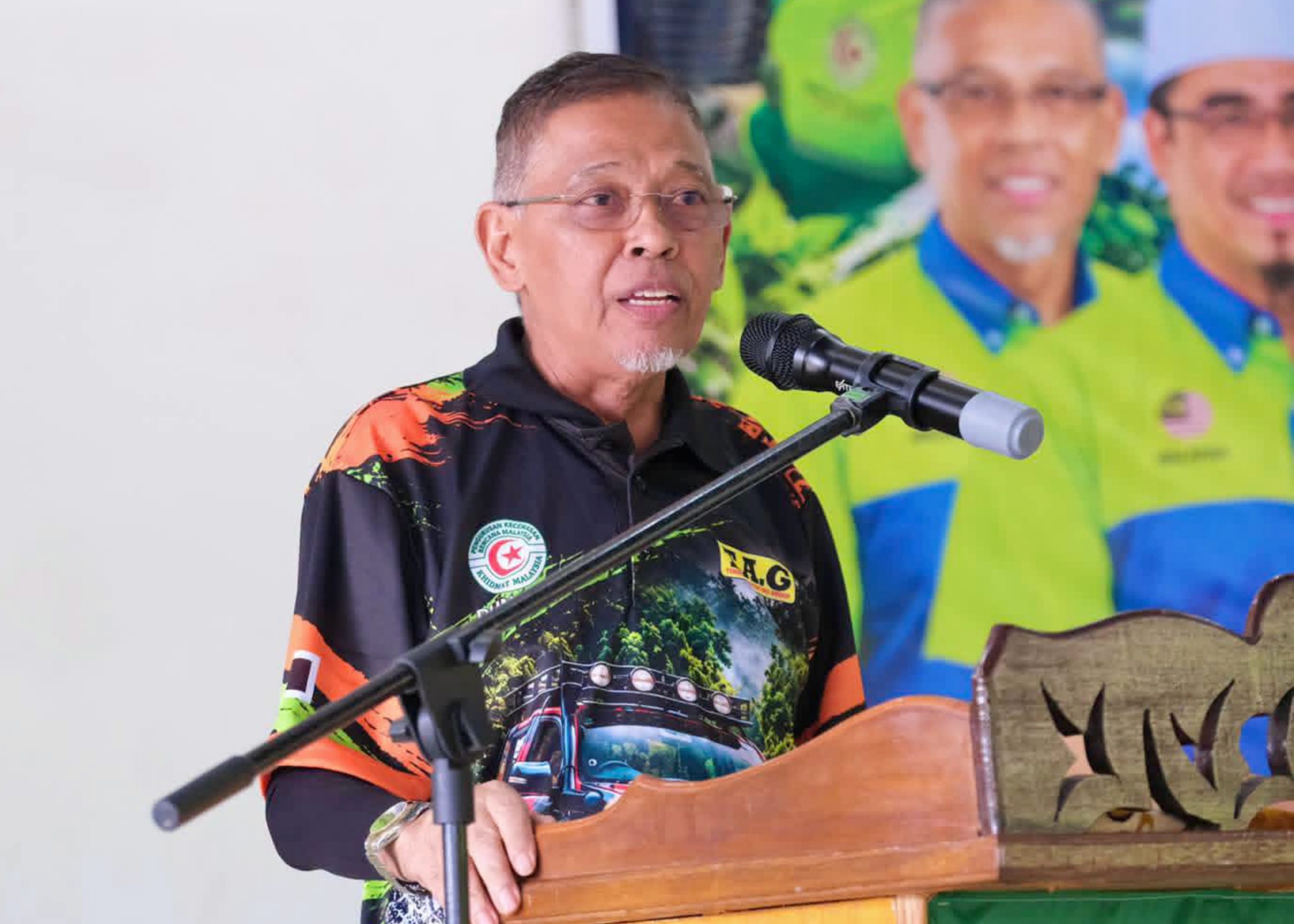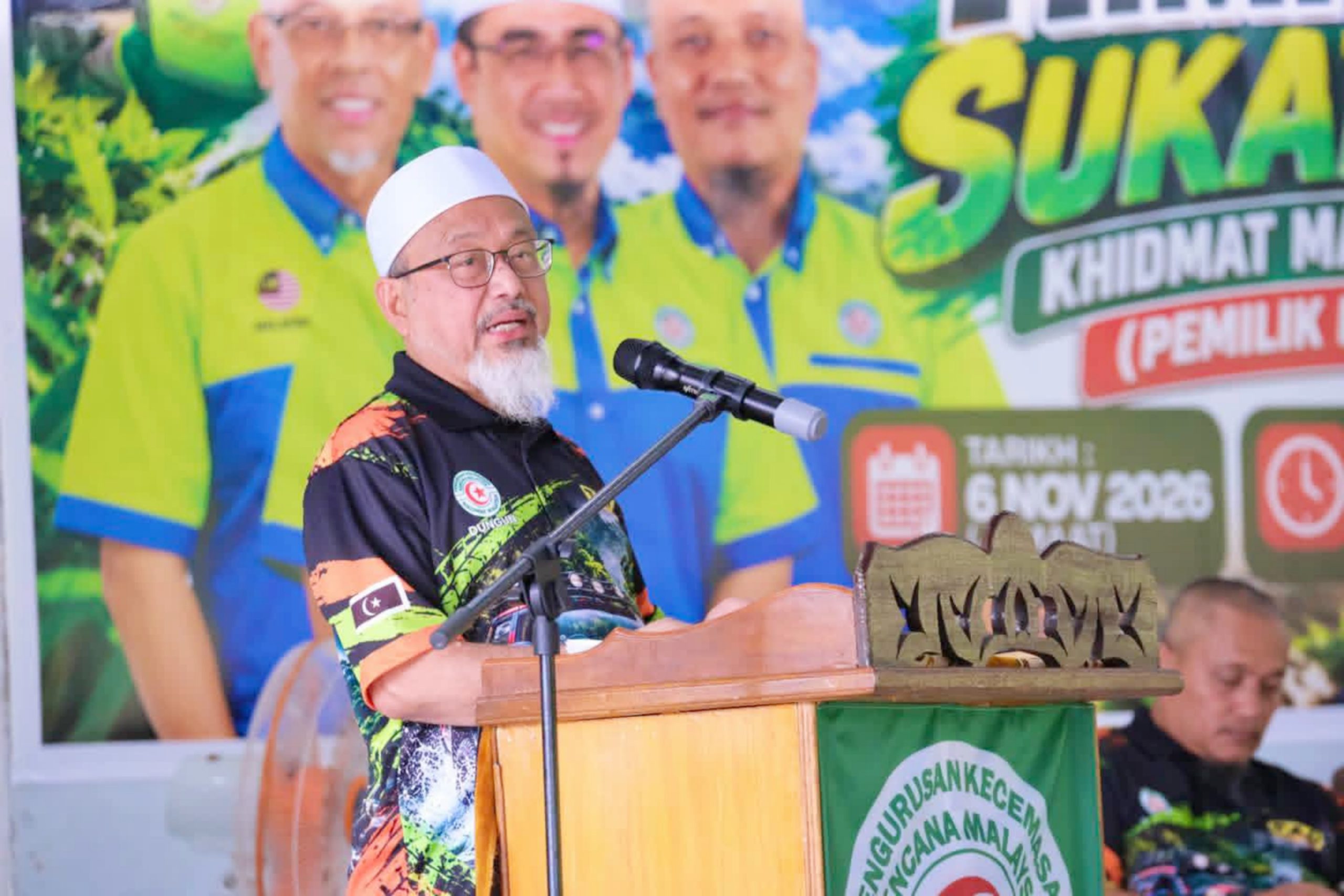

By : Haji Jofree Jaraiee
FSP (Food Supplement Program)
Centralized tender system was practiced before this involving Sarawak and Sabah then the system is changed and each school is authorized and provisions to carry out the SFP and is monitored by DEO (District Education Office) per district. Now the Central Tender System will be proposed to be re-used and this will further complicate the school and very bad impact on school pupils.
Disadvantages of Centralized Tender
1. The occurrence of ‘Ali Baba’ (10 percent / 10 percent / 10 percent = 30 percent of the shares or commissions.
2. The School forced to accept whatever is sent by the contractor
Selected by the top Management (DE (Department of Education) – DEO (District Education Office))
a) The weigh / measure ingredients
b) The validity of halal or haram is not known (the elements of fraud occurs)
c) Quality of materials sent
3. Schools have no choice – Goods delivered normally not the same as ordered / orders by the school.
4. Schools can no longer provide the suggested menus and that is more nutritious.
5. Consequences of unknown centralized tender or who is not appointed by the school itself, the school is difficult to negotiate about the exchange of goods shipped by the contractor appointed by the top management.
6. Contractors or suppliers will send cheap branded goods but declared as precious goods and branded expensive. For example, the school authorities place an order milo but sent Vico or ovaltine or worse sent cocoa powder with no brand and packed in ordinary plastic.
7. The tender price is too high even the primary school is near the town or not in the interior.
8. Non-Muslims tender is less concerned about the halal foods. RMT teachers who work on a weekly basis do not want to try the food provided to students as doubtful with raw materials being shipped.
9. Report made by the school authorities seems to not act upon by the parties responsible for the student affairs.
10. The prices of goods go up or the quantity is reduced or non-delivery of goods with reason the goods ordered by schools is not in the market. Example: Onion prices during 1kg RM30 requested by the school, but the contractor submit ½ kilo only the reason the price has gone up.
11. The school had to wait for the contractor to send orders once a month. The risk incurred by the school is foods will spoil like eggs, fruits and vegetables. If rural schools the risk is larger.
If the centralized tender system is not carried out and the responsible party retain the existing system, many advantages that can be made by the school.
1. The school was able to find SFP goods at the lowest save.
2. Items are purchased in accordance with the current requirements needed.
3. The school can ensure the quality of raw materials and halal status of the goods purchased.
4. The school can save on the purchase price for the goods purchased in the market or wholesale.
5. Excess money or provisions of SFP can be used for future needs before arriving of a new provisions sometimes received late by the school.
There are schools that parents complained the problem of food provided by the school for their children is less nutritious. This problem needs to be monitored by the responsible party in student affairs.
Now there are schools have been given notice to stop the SFP at the school where their children learn.
Since the rising cost of living, the government should not withdraw the provision for SFP to reduce the burden of the poor parents who are less fortunate.
Fuel prices have increased such as RON95 and diesel, especially when SFP discontinued
while poor parents who are less fortunate still need help to cover the daily expenses of their families.
We urge the Ministry of Education to review this matter seriously because it involves the fate of the poor students who are less fortunate, especially those living in urban, rural and remote areas in Sarawak.
The government also needs to continue this program by increase the allocation in the budget so that students who are less fortunate not affected by nutrient malnutrition. These students will one day become the country’s leadership succession that should be given priority.
Cooperation with the relevant ministries to resolve this issue as soon as possible for the future of these students is greatly appreciated.
***Jofri Jaraiee is PAS Sarawak Deputy Commissioner III cum PAS Miri Chief