













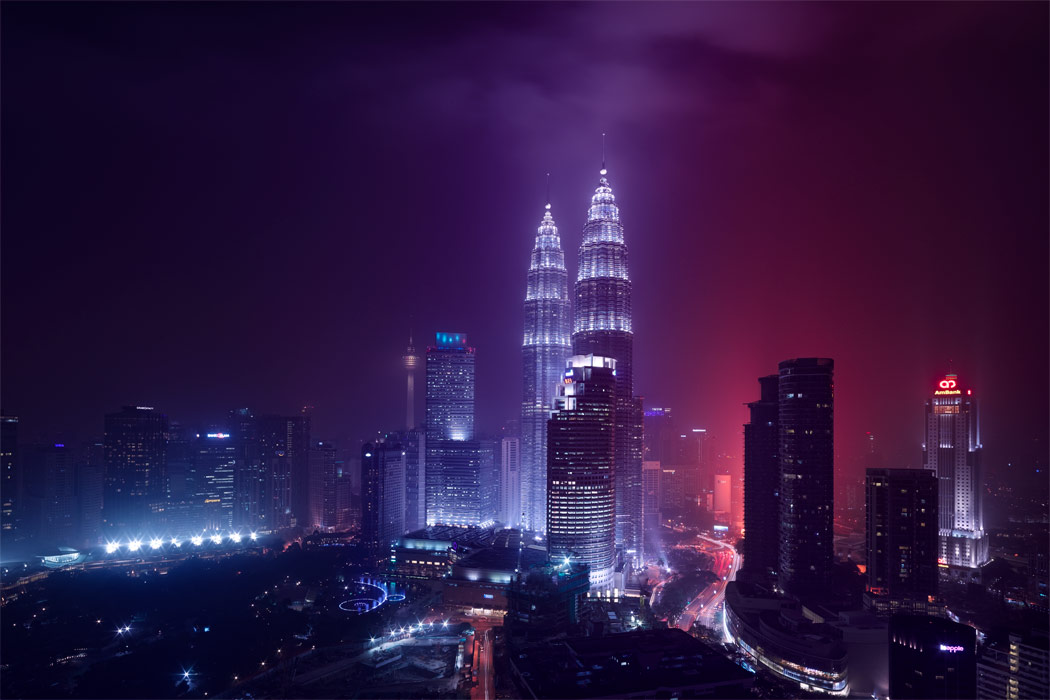
The morning sun over the Klang Valley usually glints off the steel facades of Kuala Lumpur’s financial district, but today, it struggles against a thick, amber shroud. A heavy layer of seasonal haze hangs over the nation, cloaking the iconic city skyline in a muted, ghostly gray. Beneath this suffocating atmosphere, a parallel storm is brewing—one of political friction, impending elections, and high-tech corporate transformations. This is Malaysia, where the air is heavy with both particulates and political consequences.
The House Arrest That Shook the Coalition
At the center of the political tempest is a house in the suburbs, where former Prime Minister Najib Razak is adapting to a new chapter of legal limbo. The Federal Territories Pardons Board’s decision to commute his sentence to house arrest until August 2028 has ignited a fierce debate. The RM50 million fine attached to his partial clemency became the catalyst for a stunning act of solidarity from his supporters, who quickly organized a fund that swept past the RM1 million milestone
Yet, inside the halls of the Unity Government, the mood is anything but unified. DAP Secretary-General Anthony Loke sent shockwaves through the administration by offering his resignation from the Cabinet in open protest.
While Loke boarded a flight to Beijing for a scheduled APEC transport summit, Prime Minister Anwar Ibrahim found himself playing the role of a political firefighter, rushing to organize high-stakes intervention meetings to preserve his fragile coalition. Meanwhile, the opposition watches with a cynical grin, publicly questioning if this internal friction is merely a orchestrated piece of political theater.
Melaka: The Proving Ground
A few hours south, along the historic coast of Melaka, the political machinery is moving into overdrive. The state assembly stands on the precipice of an imminent dissolution, setting the stage for the 16th Melaka State Election.
In the backrooms, Pakatan Harapan (PH) state chief Adly Zahari is quietly pioneering a radical “PH Plus” alliance, engaged in intense negotiations with unexpected suitors—including the opposition stronghold, Bersatu. Melaka has effectively become a political sandbox. Analysts and former lawmakers alike point out that this state poll will be the ultimate litmus test for public sentiment following Najib’s conditional pardon. Candidates are bracing for chaotic three- and four-cornered battles, knowing that whichever way Melaka swings, the rest of the nation may soon follow.
Microchips and Toxic Skies
While politicians trade barbs, the rest of the country is breathing through N95 masks. An environmental crisis has returned with a vengeance, driving Air Pollutant Index (API) readings into the “Unhealthy” zone across 32 national monitoring stations. Sarawak is bearing the brunt of the toxic haze, with towns like Serian and Sri Aman reporting the most severe, throat-burning pollution levels in the country.
Yet, inside the air-purified, sterile environments of Malaysia’s factories, a completely different type of revolution is taking place.
Despite global economic headwinds, the country’s manufacturing core is booming. August trade statistics revealed a staggering 43% surge, marking Malaysia’s 76th consecutive month of a robust trade surplus. The engine behind this financial resilience is a massive push toward automation.
A landmark survey by the Federation of Malaysian Manufacturers (FMM) highlighted that 62% of local manufacturers have successfully integrated artificial intelligence (AI) software into their operations. As the government pushes to bridge the deployment gap, factories are transitioning from reactive maintenance to fully automated, predictive Industry 4.0 production lines.
A Nation in Motion
Malaysia stands at an extraordinary crossroads. Outside, the skies are a reminder of regional environmental vulnerabilities. Inside, the silicon chips rolling off Penang’s assembly lines are a testament to global tech dominance.
With the unexpected sacking of Negeri Sembilan’s executive council late last night serving as a stark reminder of how quickly local leadership can crumble, Malaysians look to the future with a mix of anxiety and ambition. The air may be cloudy, but the trajectory of the nation is sharp, fast, and completely unpredictable.