
SARAWAK has long held on to its reputation as Malaysia’s most politically stable state.
While the Barisan Nasional was almost toppled in Terengganu last week because the prime minister wanted to change the mentri besar, one cannot but admire how smoothly the change of Sarawak’s chief ministership was carried out with the long-serving Tan Sri Abdul Taib Mahmud handing over the reins to his successor Tan Sri Adenan Satem in February.
And while Sabah has seen 14 chief ministers come and go, Adenan is only the fifth chief minister of Malaysia’s largest state. Taib stayed at the helm for 33 years until on his own accord he decided to call it a day.
 It is not for nothing that both Sabah and Sarawak are labelled as Barisan’s “fixed deposit” states. Barisan kept its hold on the federal government because it retained most of its parliamentary seats in both states in last year’s general election.
But out of the blue last Friday, just a day after Barisan survived the political crisis in Terengganu, Sarawak went through a rare political upheaval when as many as 10 Barisan state assemblymen and one MP quit their parties to join the newly formed Parti Tenaga Rakyat Sarawak (Teras).
Unlike in Terengganu where Barisan only has a two-seat majority in the state legislature, there was no such panic in Sarawak with the coalition’s four-fifths margin, coupled with the fact that the lawmakers quickly threw their support behind Barisan.
To those unfamiliar with Sarawak’s political terrain, the obvious question that arises is, if these lawmakers are still very much Barisan supporters, why did they quit their Barisan parties for a non-Barisan entity?
There were various twists and ironies – even confusion – behind this unfolding event especially when the man who led the exodus, Tan Sri William Mawan, is not only a senior state minister but also a president of the Sarawak Progressive Democratic Party (SPDP).
And the new party Teras that he has joined was set up by a group of five SPDP leaders, known as the G5, whom he expelled from the party in 2011 for insurbordination.
Under a peace plan worked out by the new chief minister, Adenan, with Mawan, four of the G5, Datuk Peter Nansian Ngusie, Rosey Yunus, Datuk Sylvester Entri Muran and Paulus Palu Gumbang were readmitted into the SPDP recently but their readmission did not go down well with a section of the party’s central executive committee members aligned to SPDP’s highly influential deputy president Datuk Seri Tiong King Sing.
The fifth member of the G5, Datuk Dr Tiki Lafe, was not picked as the Barisan candidate to defend his Tasik Biru parliamentary seat in last year’s general election following the group’s expulsion from SPDP. He stood as an independent and lost.
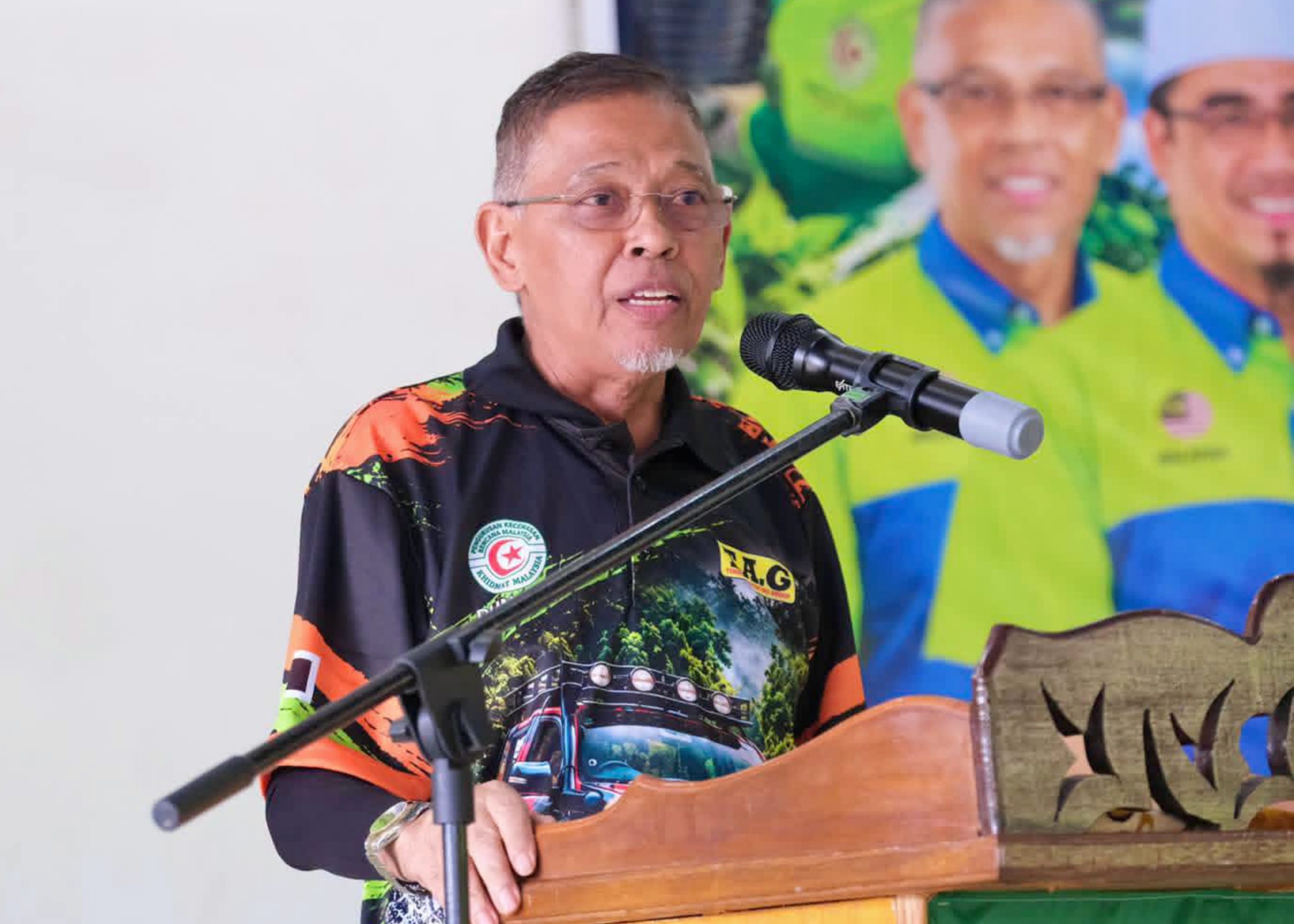
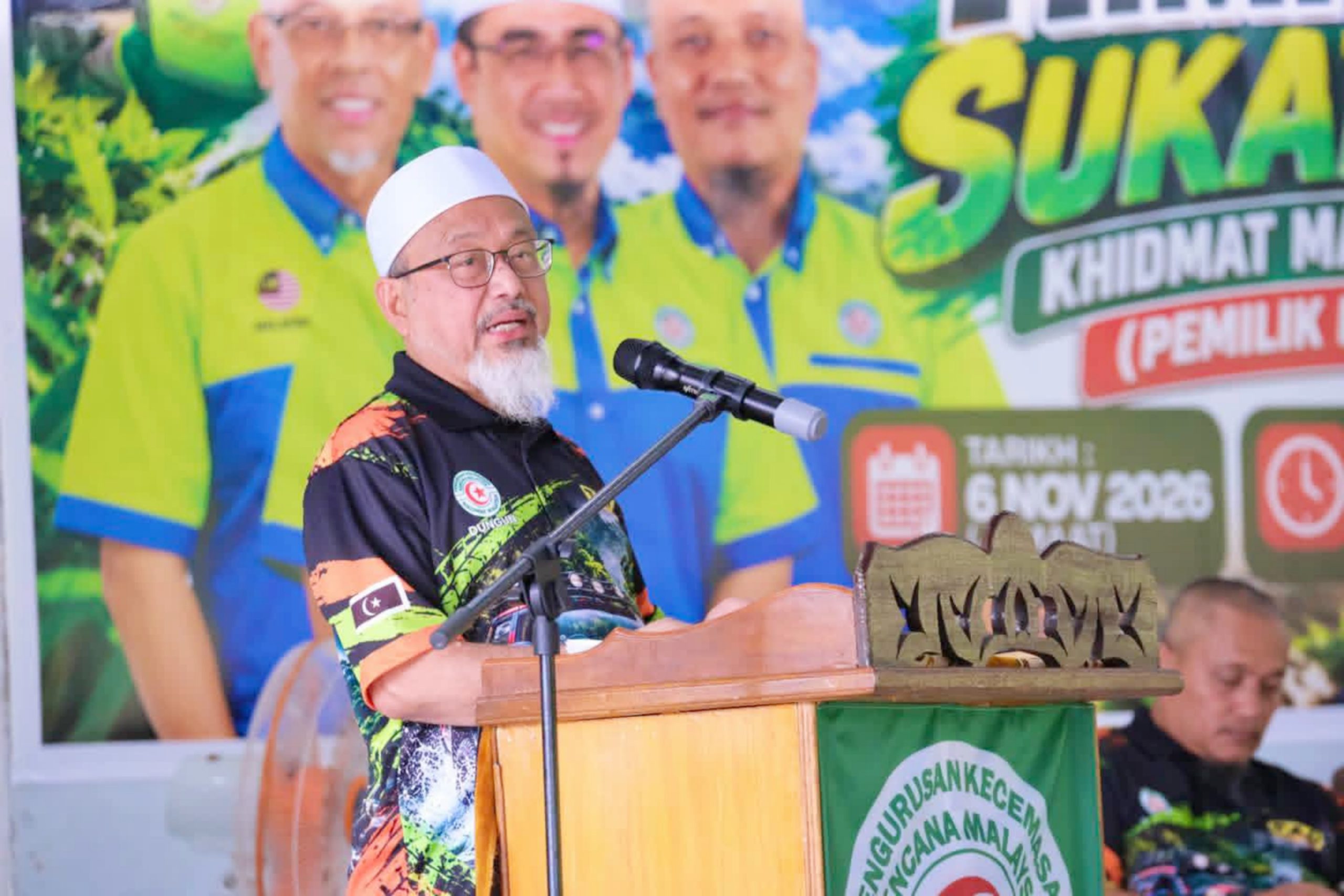
 Mawan [picture left] said last Friday that his decision to quit followed attempts to “elbow him out” of SPDP because several party leaders were against the reinstatement of Nansian, Rosey, Entri and Paulus into the party.
“The reason I brought them back was to strengthen the party. Our decision today is made out of our common desire to continue serving Barisan Nasional,” he said, adding this wasn’t the case of the captain abandoning his ship but more of a mutiny.
“Somehow,the captain has been thrown overboard. With a big number with us,we hope the state Barisan can accommodate us,” said Mawan who has led the SPDP since its formation in 2002 but who is now expected to lead Teras.
And all of a sudden, Teras, whose registration was approved by the registrar of societies last September is inundated with state assemblymen and MPs. It now has two state ministers and four assistant ministers in its fold.
Also joining Mawan in the party last week were three lawmakers from the Sarawak United People’s Party (SUPP) led by party stalwart and state minister Datuk Seri Wong Soon Koh and three others, Datuk Dr Jerip Susil, Dr Johnical Rayong Ngipa and Ranum Mina. Wong had been at loggerheads with SUPP president Tan Sri Peter Chin until Adenan stepped in and patched things up in SUPP, Sarawak’s oldest political party that was formed even before Malaysia came into being in 1963.
But the “peace plan” was shortlived. As Wong explained it: “I decided to quit after finding out nothing was forthcoming from the peace plan for SUPP. Because of the breakdown in the peace plan, we don’t want to keep quarrelling. We are tired of it. We have to go.”
And a surprise inclusion in Teras is opposition assemblyman, George Lagong,who is deputy president of the Sarawak Workers Party.
Due to the defections, SPDP, in contrast, is now left with only two elected lawmakers, Tiong, who is MP for Bintulu and Mas Gading MP Anthony Nogeh.
Dr Tiki from the G5, who is Nogeh’s predecessor, told me Mawan had decided to join Teras to preempt a meeting of SPDP’s central executive committee this week which was expected to censure him for the reinstatement of the lawmakers whom he expelled three years ago.
On the day they quit their Barisan parties for Teras, the group met Adenan, who assured them that he would assist the new party in its application to join Barisan.
Adenan has so far said very little on this latest development in Sarawak’s politics beyond remarking that he would comment at the right time – “let others say what they want and I shall have the last word.”
Teras’s entry into Barisan is expected to face stiff opposition from component parties like SUPP, SPDP and Parti Rakyat Sarawak (PRS).
 And because admission of a new BN member can only be done with consensus among all member parties, the farthest that Teras could go is via the Barisan-plus formula.
PRS president Tan Sri Dr James Masing is vehemently against the admission of Teras into Barisan.
He told me: “Sarawak is trying to solve political problems with little regard to long-term benefits to Barisan and with a skewed eye against a certain group.
“The use of Teras to gather all the renegade Barisan elected representatives and then encourage Teras to join Barisan is a long-winded method which goes against Barisan’s understanding and rules. Using Teras for the renegades is opening the flood gates for future party renegades to survive in a new political vehicle aligned to Barisan. It will create a bad precedent and in the end destabilise Barisan,” he warned.
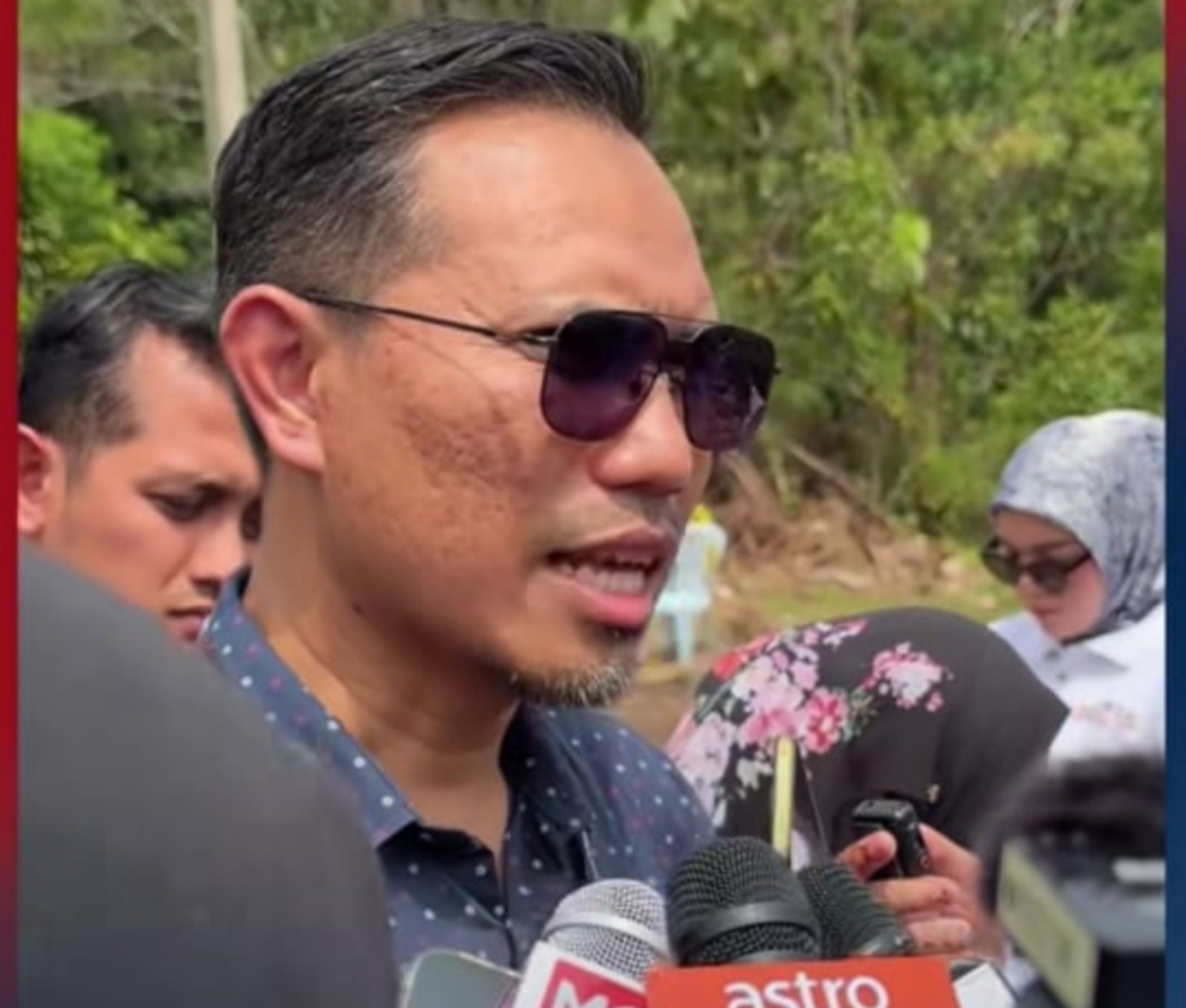
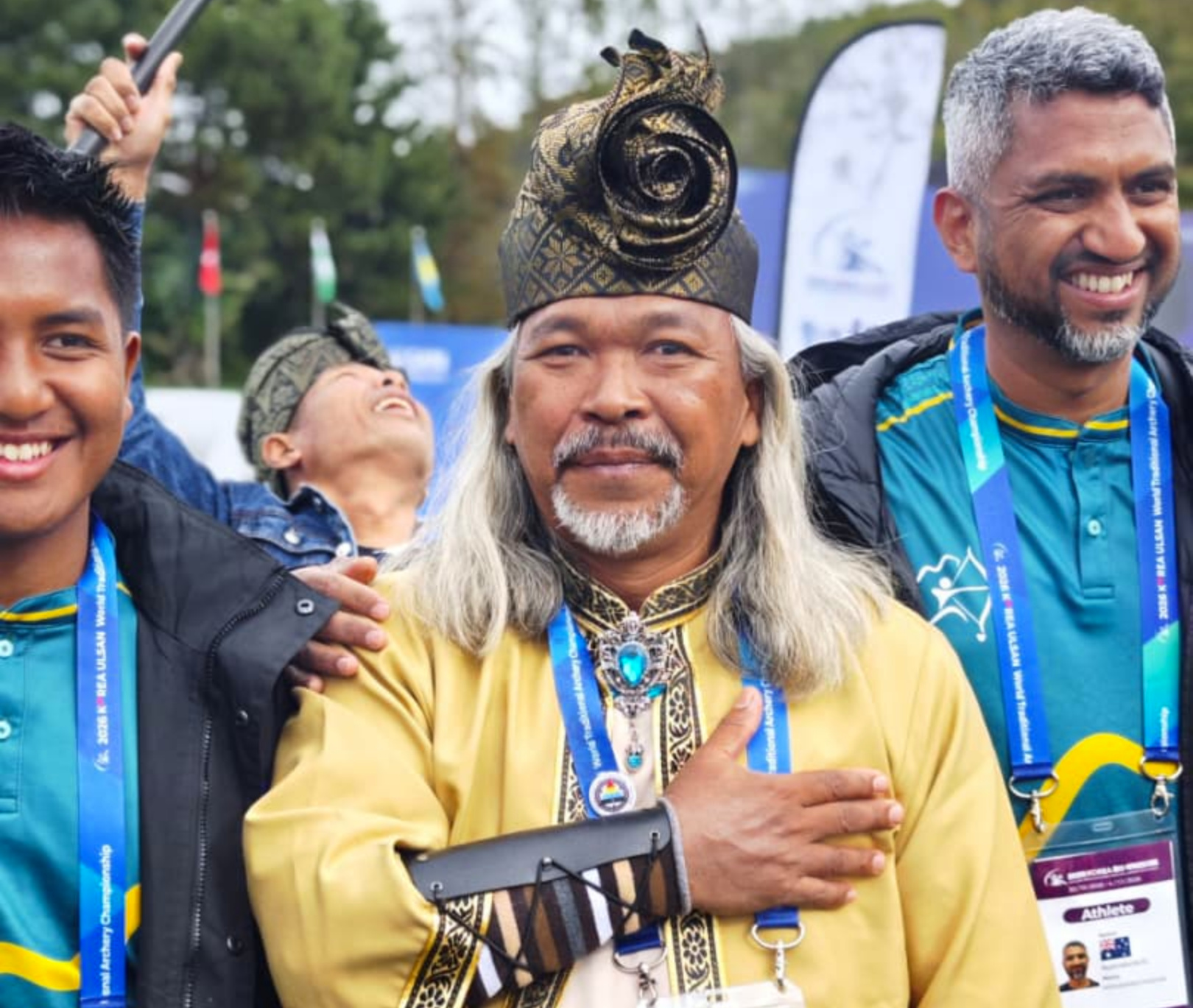
Dr Masing [ picyure right] said political decisions in the Barisan Nasional must be made based on long-term benefits of Barisan and not on temporary political expendiency to ensure the survival of individuals and all decisions in Barisan must be based on 100% agreement.
Observers are waiting for a blast from Tiong, Sarawak’s most outspoken and controversial politician and the state may well lose its “most politically stable” status with more parties joining the fray especially with the state election due in just over a year. -thesundaily