





KUALA TERENGGANU, Dec 22 — A Barisan Nasional (BN) backbencher today asked the Terengganu government to prepare proper plans for every development project instead of resorting to ad hoc implementation.
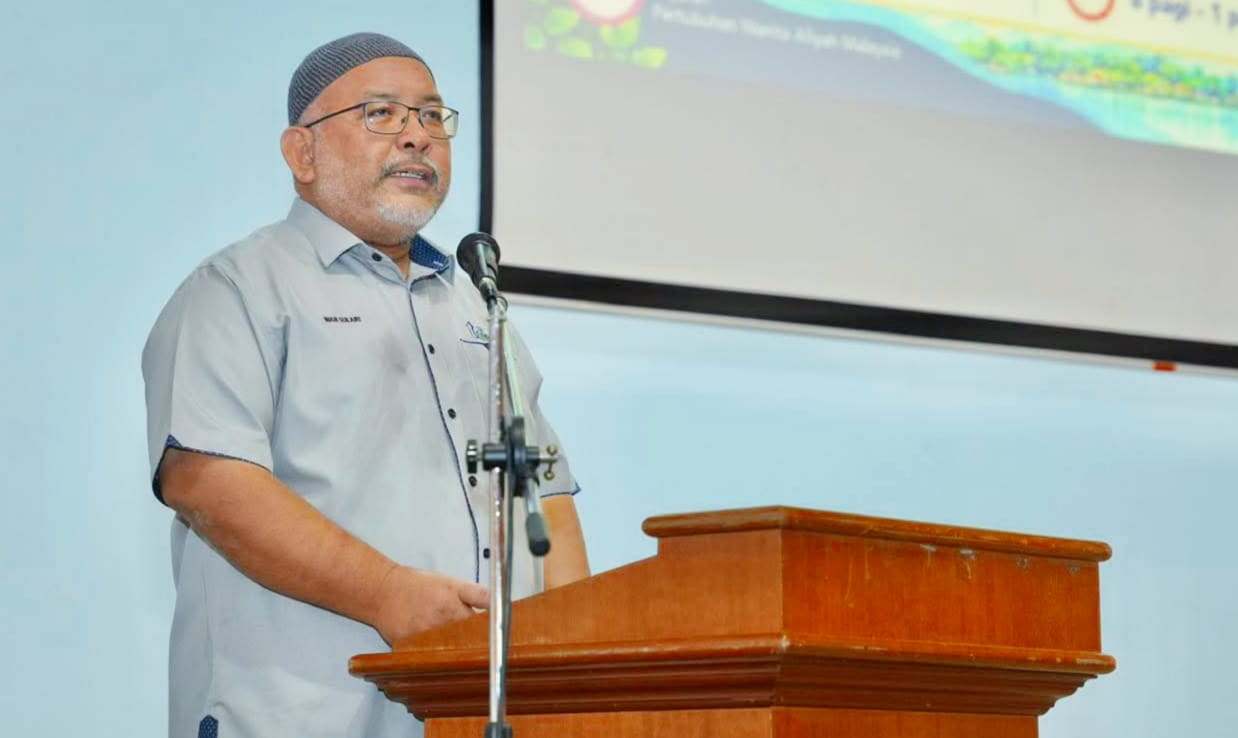
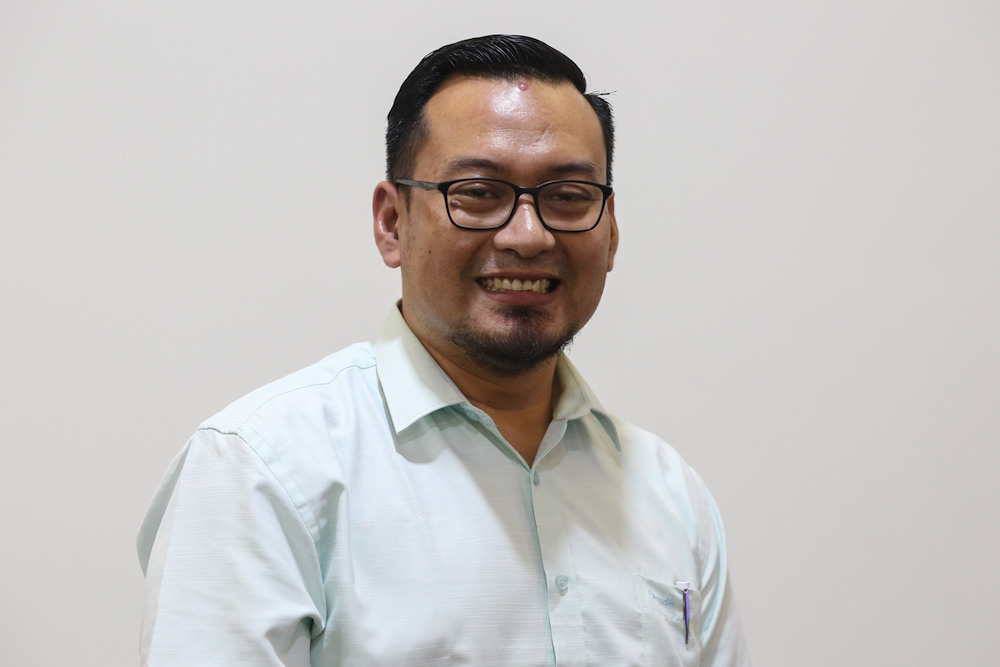
Alias Abdullah (Alor Limbat) said many projects implemented by the state government led by Mentri Besar Datuk Ahmad Said did not have proper plans or blueprints.
He cited as an example of ad hoc implementation the project for the cultivation of oil palm in the compounds of people’s houses to augment their income, for which RM100 million had been allocated in the 2009 budget, and said the project had yet to get off the ground and was having a negative impact on the image of the state government.
“If a project is only spoken of but not implemented, it will lead to the people having a bad impression of the government. I have been often teased by my constituents.
“During my visits to the villages, people have teased me by saying whether I had difficulty finding their houses as they were surrounded by oil palm,” he said during the debate on the 2010 state budget in the state legislative assembly.
Alias said that under the project, the poor were to have been given between 15 and 20 oil palm seedlings to plant in their house compounds.
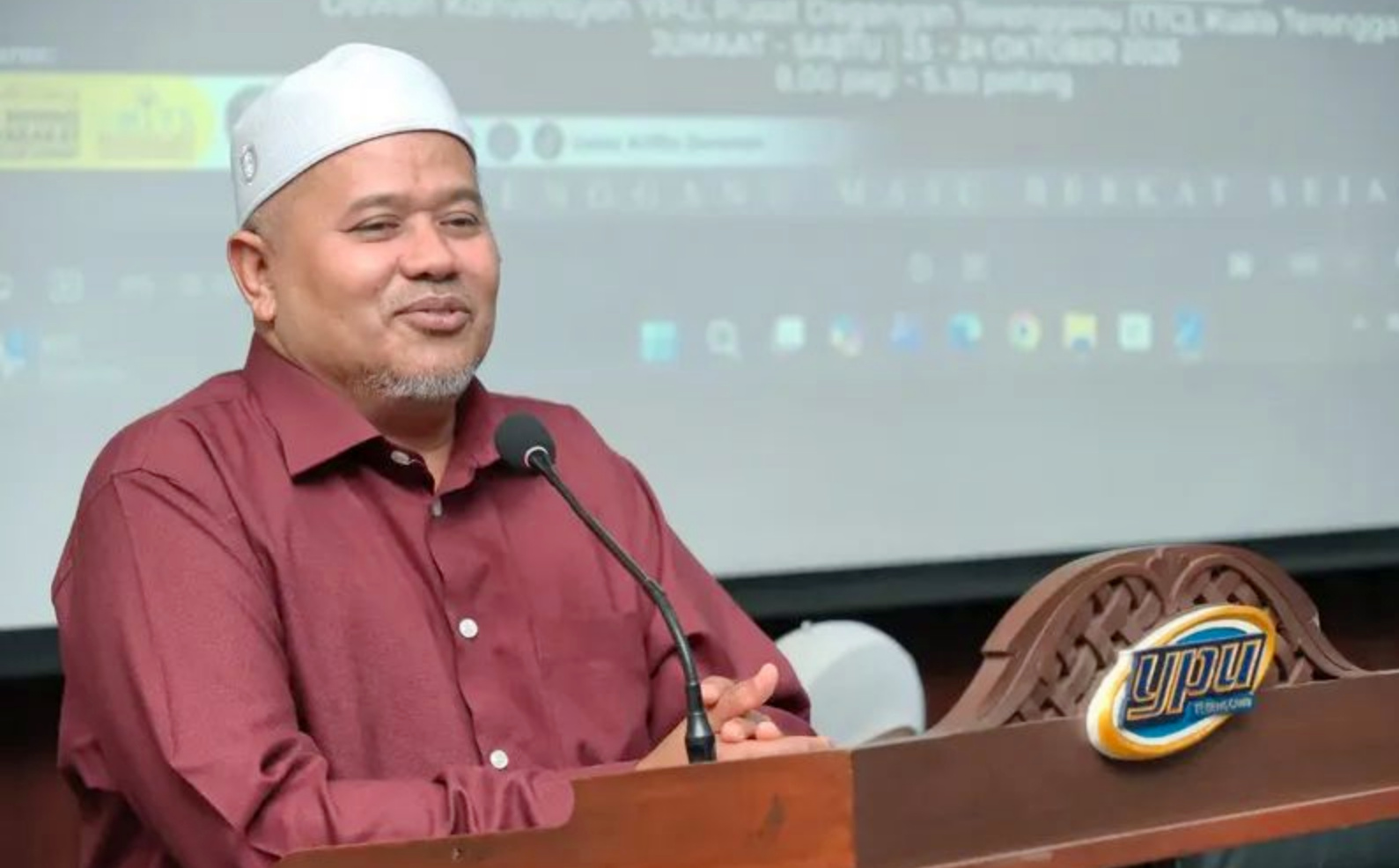
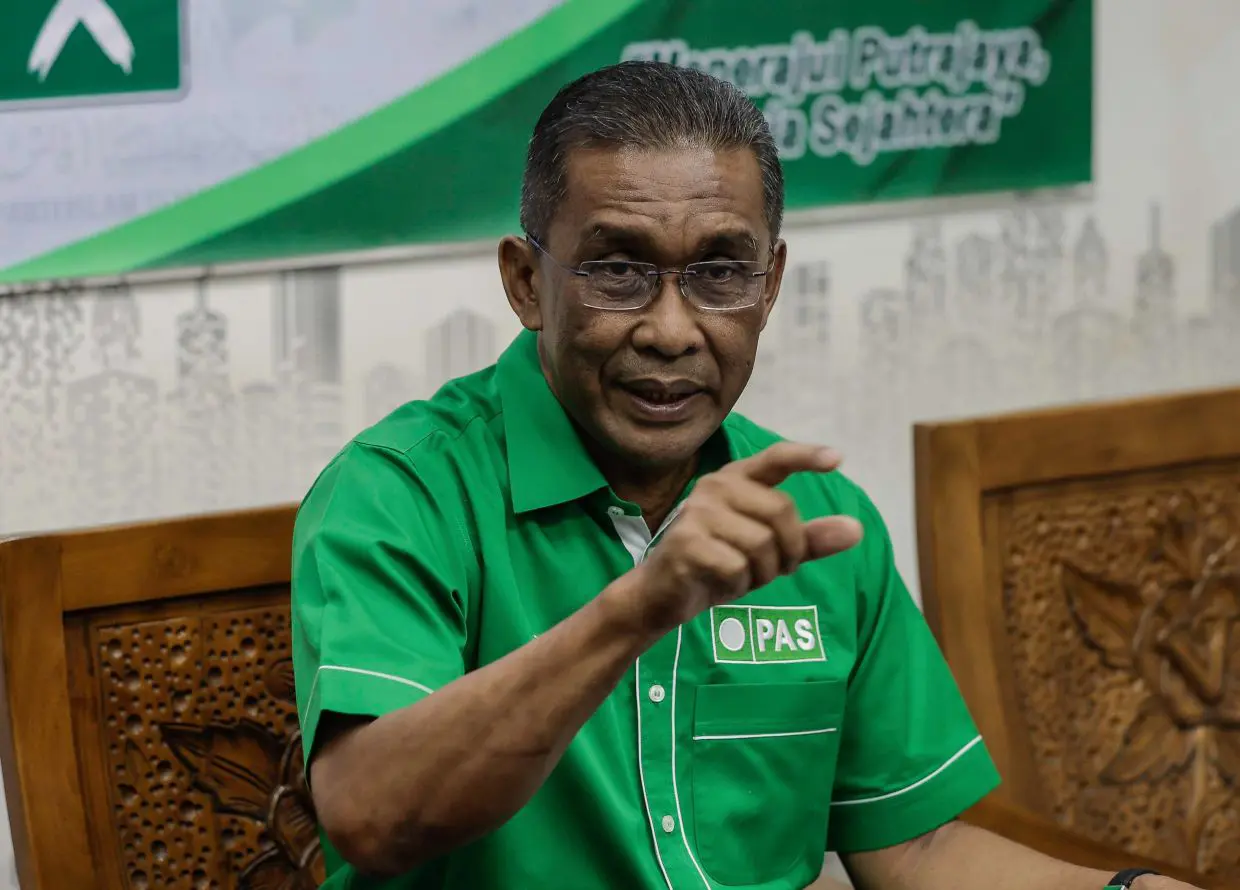
Abdul Wahid Endut (PAS-Wakaf Mempelam) also criticised the state government for being overly dependent on the federal government special fund, otherwise known as oil royalty, for a major portion of its revenue.
He said that in the 2010 budget announced yesterday, the fund made up RM1.731 billion or 92 per cent of the estimates totalling RM1.881 billion.
“The remaining RM163 million or eight per cent came from state government sources, reflecting on the state government’s inability to generate its own revenue.
“It is not safe for the state government to depend on the (oil) royalty. Even the mentri besar himself has said the oil resource is not permanent and is dependent on world market prices,” he said.
As such, he said, the state government should seek out other resources to raise revenue without being overly dependent on the federal government special fund. — Bernama