











 KUALA TERENGGANU – All Nadia Al-Zawawi, a pharmacist with a hospital in Setiu, can do every month is sigh and wring her hands. With a monthly income of about RM4,000, you’d think she would be able to save much more than when she worked in a government hospital in Kuala Lumpur.
But she found out the hard way that Terengganu is not cheap.
Her day begins at 6am. The 62km drive from Kuala Terengganu to Setiu takes an hour, and she does this twice a day. Working at Setiu may be less stressful as compared to her time at a Kuala Lumpur hospital, but nonetheless she is busy.
The hospital emphasises on self-improvement and there are many talks to attend. She counsels patients about their medication and every month she drives to Kuala Lumpur to attend the Malaysian Pharmacist Association Society’s meetings and events.
Her pay goes to EPF, car instalments, petrol, telephone and Internet charges, Astro, insurance, one credit card and helping out her family with their daily expenses. She is left with about RM700 a month.
“You think Terengganu is cheap? It’s not at all!” says Nadia.
The food in Setiu costs as much as in KL, and this would be stall food. “Today I spent RM10 on breakfast and lunch. Nasi lemak here costs RM5! My lunch was rice, fried ayam kampong, two pieces of squid and spinach. That cost RM8.70.” She shakes her head.
She tells of an incident she encountered recently. They found a stall selling nasi dagang for RM1.20. They thought it was cheap and wonderful. Her friend bought a packet and was disappointed to see the little it offered.
“Nak buat tahi gigi pun tak boleh!”
It was just a banana leaf folded over many times with some rice and remnants of fish inside.
Her parents worry constantly about her meagre savings. They tell her she should be saving RM1,000 a month. They also worry that she stays home too much. She waves her hands. “If I go out with my friends, I spend more. So if I do, I drag them for a run by the beach. But who wants to go running by the beach? It’s too hot for people here. But I’m lucky that I am close to my parents and sisters. My sisters are very lively so that keeps me entertained.”
She is already worrying about her impending road tax and insurance, which will cost her over a thousand ringgit. “My car is a tiny Malaysian car, Kak,” she sighs.
After driving an old car in KL — which cost her a lot of time and money fixing — she sold it off and bought a new car. Even then, the cost of a new car includes the insurance, road tax, etc.
Some of her friends work as locums at private hospitals and clinics. Locum work pays RM20 per hour. All the money goes towards savings. Nadia is unable to do so as her schedule is tight.
“I think I would save more if work is nearer to home. But I don’t think so. It’s good that I’m single now, because there is no way I can marry if I have no money.”
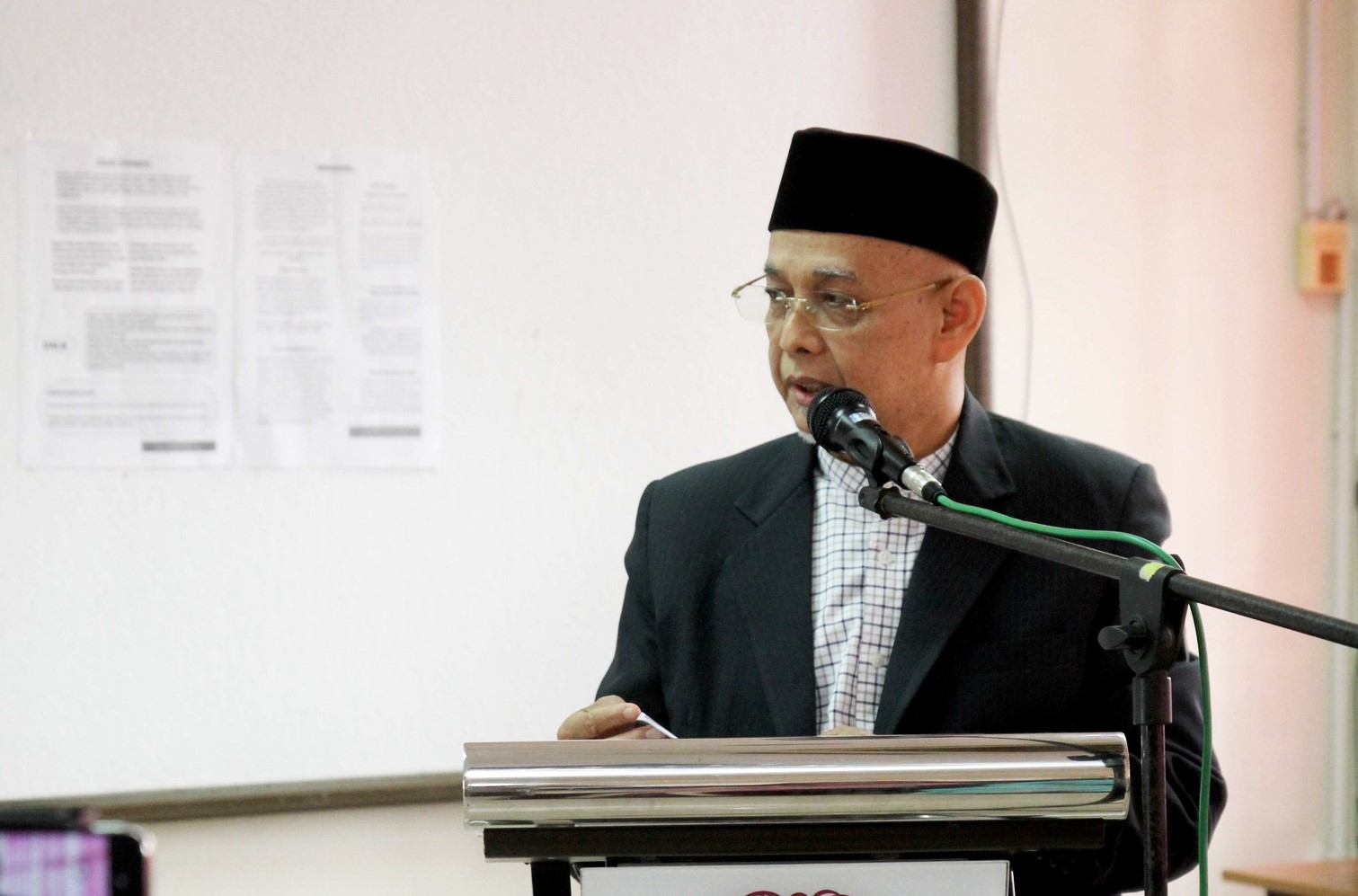
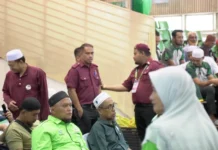
Zikri Muda (Picture above) juggles his income every month to support his family and workers.
For Zikri Muda, a 39-year-old father of five, every month is a constant battle. His wife works, but with school-going children, and not wanting to deprive them of the little luxuries, budgeting is a problem.
“Huh, Terengganu is NOT cheap. The cost of living is high! I earn an average of RM2,500 to RM5,000 depending on the small jobs I get. On a good month, RM5000. But that does not mean I can indulge, because whatever I earn, I also have to pay my workers,” said the businessman.
The only way to survive and have some form of savings is to be in business. Zikri had worked for a contracting firm many years ago, and realised that for as long as he worked for someone, he would never be able to save and have a future. Running a business is not easy either, but at least he is in control of his destiny.
“Every month, I’m hustling for business. The thing is, people here think there are no opportunities in Terengganu. There are, but they are too lazy. We want to help but they reject. I look for projects all the time.”
The problem with Terengganu is that it has a localised industry. The oil and gas industries are based in Kemaman and Kertih. These industries have not just given the locals employment but also created healthy lifestyles and schools for the people.
In Kuala Terengganu, there are hardly any activities for the young. Every Friday there are Mat Rempits revving up their motorbikes in town, scaring the locals. Not every young person can afford to futsal — it still costs money. The football fields that are scattered around the state? Nobody goes there anymore.
“We need a leader, a local leader, to get the kids going. Excited about their futures. In the 70s, Terengganu was a bustling town. Now? People feel hopeless.”
Zikri’s friend, who is about 50 years old, still does not own his own property. All his money went to his children’s education. Now that they are working and financially independent, he realises he does not have enough money to buy a house.
“Young graduates are also loathe to work. They are already in debt upon graduation, and the salary they get is too little. Starting pay in average is RM1000. ‘Tak satu level betul!’”
The one Terengganu leader he admires is the former mentri besar Datuk Seri Haji Idris Jusoh.
“He has the mind of a businessman.”
Idris inspired many locals to be driven, to be better. Nowadays, Terengganu has gone back to the laidback ways of old. Locals are not proud of what they have in the state.
He points at the crowd on Pantai Batu Buruk, a popular beachfront area. “These people are outsiders who come here during school holidays. Orang Terengganu —they’re not there. They just don’t care. They’d rather eat.
“Me? I have to work hard. I have a family to support.”-MalaysianInsider