















As the tabling of the Budget nears, consumer and trade groups are urging the Government to fine-tune policies to address the rising cost of living and doing business.
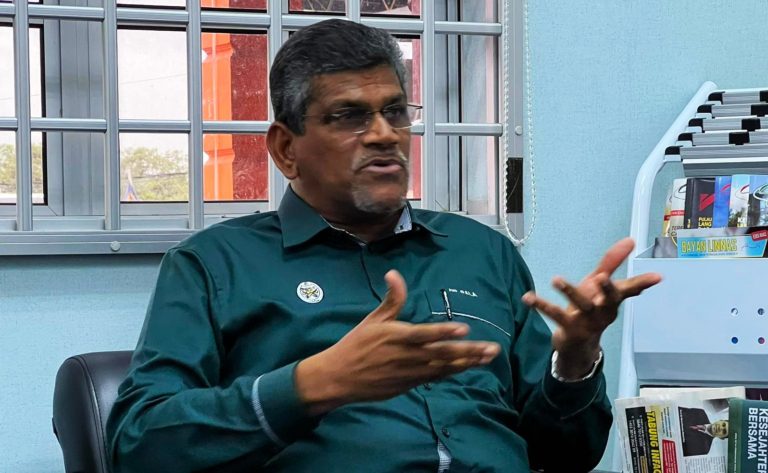
Fomca president Datuk N. Marimuthu said long-term strategies should be included to tackle the increasing cost of living, which was seriously affecting the people, especially those in the lower income group.
 “For example, introducing food stamps can help lessen the burden of needy groups, as cash handouts in the form of Bantuan Rakyat 1Malaysia (BR1M) are not the solution.
“There must also be improvements in public transportation and infrastructure now that toll charges have been raised,” he said.
The 2016 Budget, scheduled to be tabled in Parliament on Oct 23 by Prime Minister and Finance Minister Datuk Seri Najib Tun Razak, is expected to focus on strengthening growth, expanding inclusiveness and fiscal sustainability.
The Budget would be the first under the 11th Malaysia Plan.
Marimuthu said more funds should be channelled to healthcare so that patients could enjoy quality treatment and endure less waiting time.
He said in view of the weakening ringgit, full loans should be given under the National Higher Education Fund Corporation to students seeking tertiary education.
“The authorities must come down hard on loan defaulters and compel them to pay back after starting work so that others can benefit from the revolving fund.
 “There should also be long-term strategies to cut down on the dependence of food imports such as utilising the vast tracts of idle agriculture land in the country,” he added.
Marimuthu said last year, Malaysia’s food imports amounted to RM46.2bil, adding that empowering local farmers could reduce such spending.
MCA’s Small and Medium Enterprises (SME) Bureau chairman Datuk Ei Kim Hock said a body similar to Matrade should be set up to help promote SME-manufactured products overseas.
He said more incentives should also be put in place to give SMEs a head start in view of the Trans-Pacific Partnership Agreement.
“We foresee a big impact as traditional SMEs are not well equipped to face competition from international conglomerates due to their outdated automation system.
“The Government should consider giving tax waivers on machinery for SMEs and lowering the levy for foreign workers,” he added.
Associated Chinese Chambers of Commerce and Industry of Malaysia (ACCCIM) deputy president Tan Sri Lam Kam Sang hoped for more reductions in corporate tax and a review of the implementation of the Goods and Services Tax (GST).
 Lam said urgent steps must be taken to revive and stabilise the country’s economy and improve investors’ confidence.
He said more allocations should also be channelled to make it easier for businesses, especially SMEs, to secure loans for expansion.
ACCCIM represents about 28,000 Chinese businesses.
On its part, the Malaysian Employers Federation has submitted several recommendations to the Government for its consideration.
Among them are for the proposed Employment Insurance Scheme to be discarded, national minimum wages to be linked to skills level or certification, a revision of the GST rate and reactivation of the National Labour Advisory Council -thestaronline