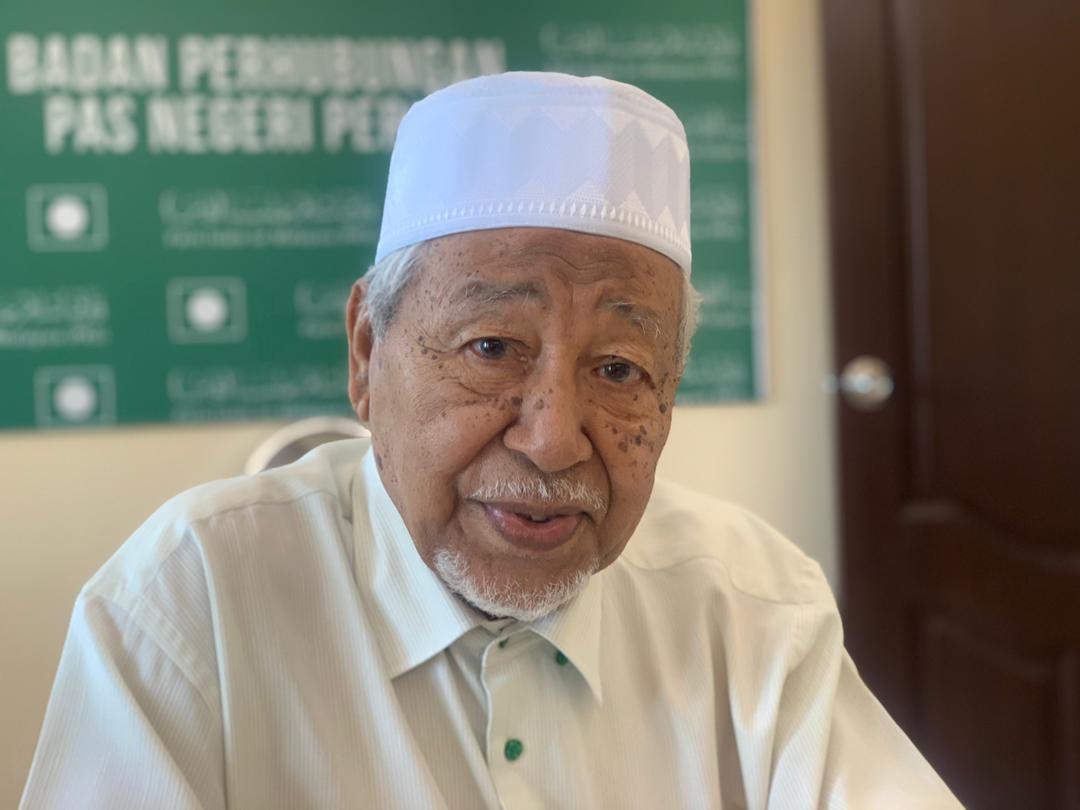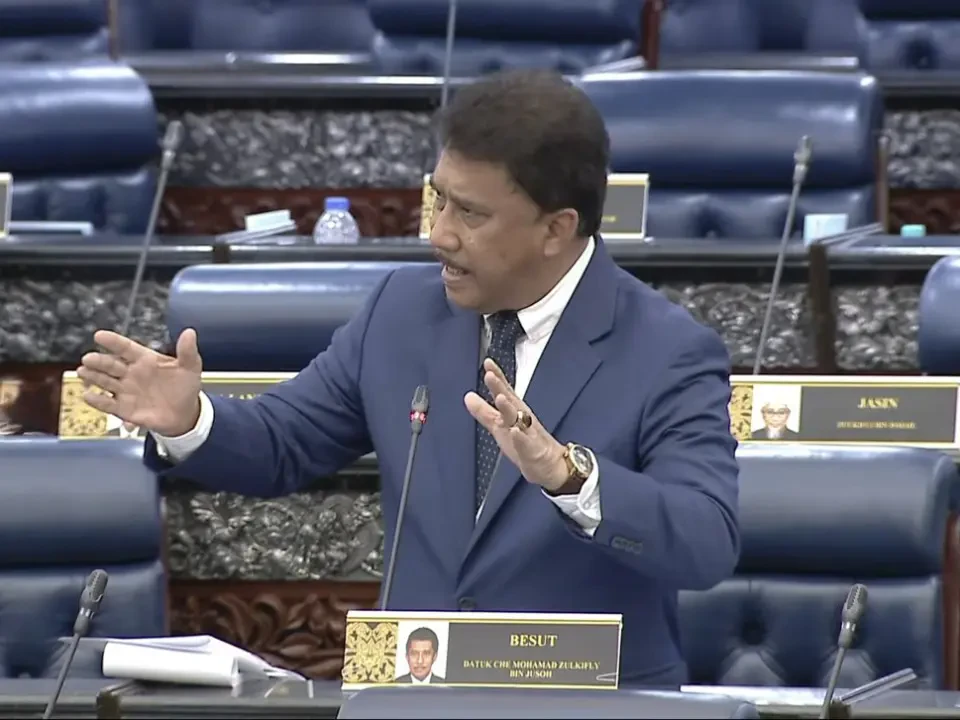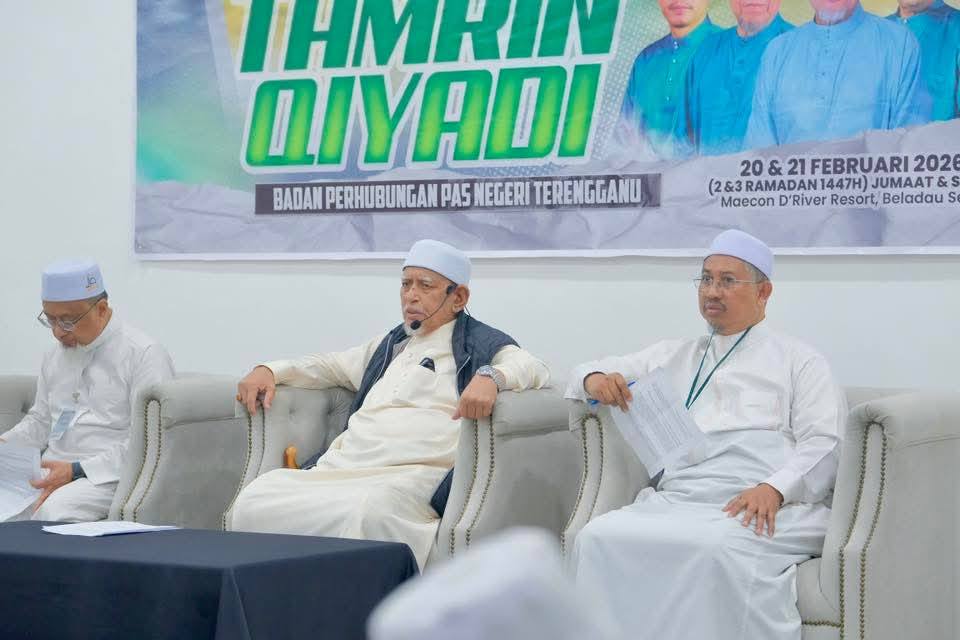

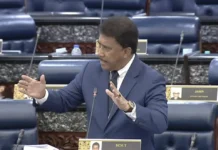
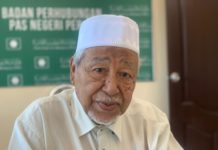




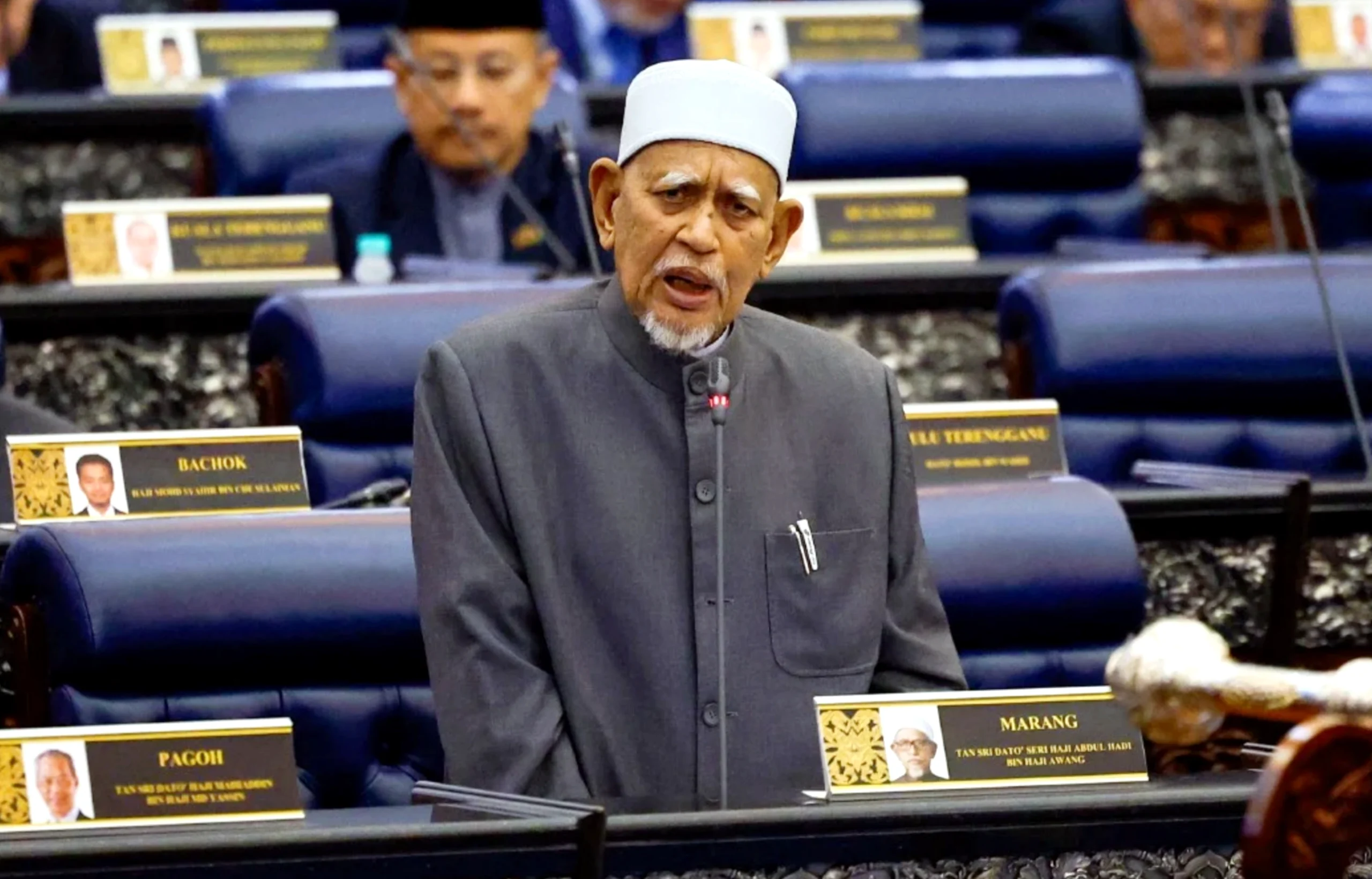
Marang member of Parliament Tan Sri Tusn Guru Abdul Hadi Awang told the Dewan Rakyat today that the government does not need two full terms to implement reforms, arguing that sincere leadership can achieve genuine change in a much shorter period.
Citing the example of Caliph Umar Abdul Aziz, the PAS President said wide-ranging reforms had been successfully carried out in approximately two years.
“Reformation doesn’t need two terms.
“If it takes two terms, that’s not reform but ‘reforkerusi’ (a pun on ‘reform’ and positions). Taking turns to get positions.
“After this person, then another person. If comprehensive reforms are not carried out, it will become empty,” he said while debating the Motion of Thanks for the Royal Address in the Dewan Rakyat yesterday..
Ustaz NHadi said that if comprehensive reform does not occur, the corruption will worsen.
He also accused the government of practising selective justice, particularly in handling corruption cases.
He said the law should not only punish those who received bribes but also the givers and middlemen.
“They (the givers and middlemen) are supposedly allowed to seek assistance by becoming witnesses and so on.
“As a result, weaknesses arise in legal enforcement and in the measures taken,” he said.
Using an analogy of monkeys and apes fighting over a banana, Hadi said government funds meant for projects were gradually siphoned off by intermediaries, leaving insufficient resources for proper implementation.
“The macaque cuts the banana unevenly until only the skin is left, and only then does the monkey get it.
“This is what happens — why projects fail, why hospital projects do not proceed, why weapons do not arrive, why second-hand weapons are bought,” he said.
He claimed that money was drained at various stages, with different parties allegedly taking percentages along the way.
“The money runs out along the way, siphoned off by macaques guarding these ‘roadblocks’. Some take 10 per cent, five per cent along the way, causing the budget to eventually be insufficient,” he said.
He further suggested that in some corruption cases, junior officers could be made scapegoats for their superiors due to fear of speaking out.
“These macaques are safe, while officers become scapegoats and are slaughtered,” he said.
He questioned the exposure of certain officers’ names, saying it was possible that larger figures were behind the corrupt activities.
“Perhaps there are bigger macaques behind it. These officers are forced and intimidated by the (bigger) macaques, compelled to carry out the corrupt acts,” he added. – NST